
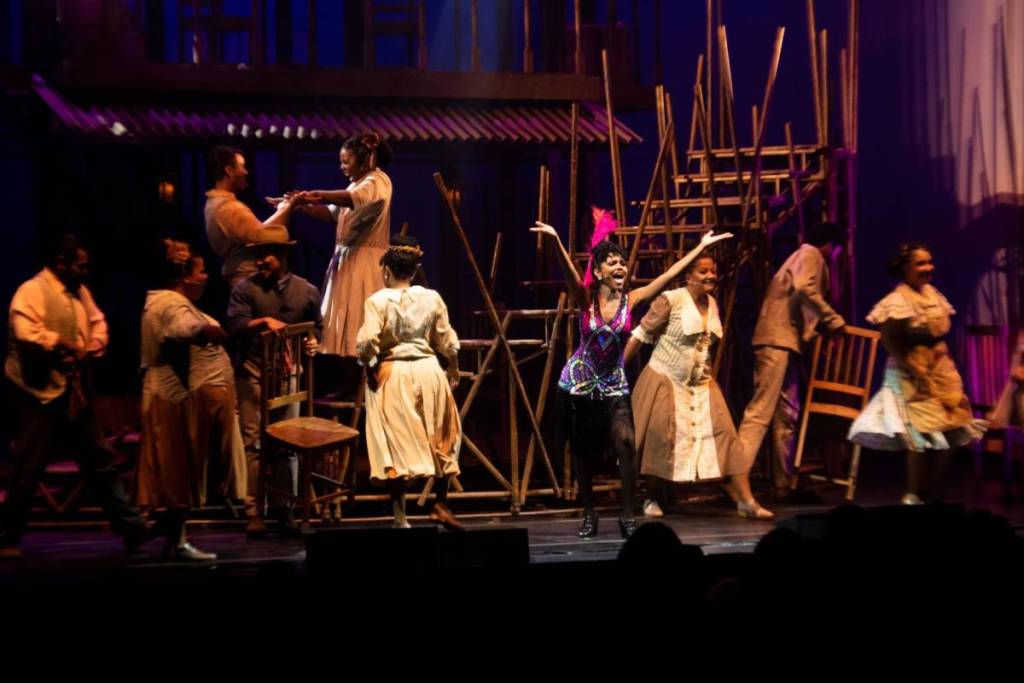

In addition to being a great leisure activity, going to the theater is a great option for anyone who enjoys good stories across different genres. That’s why we’ve put together a list of some of the best plays in Rio de Janeiro that you won’t want to miss this month!
Selvagem
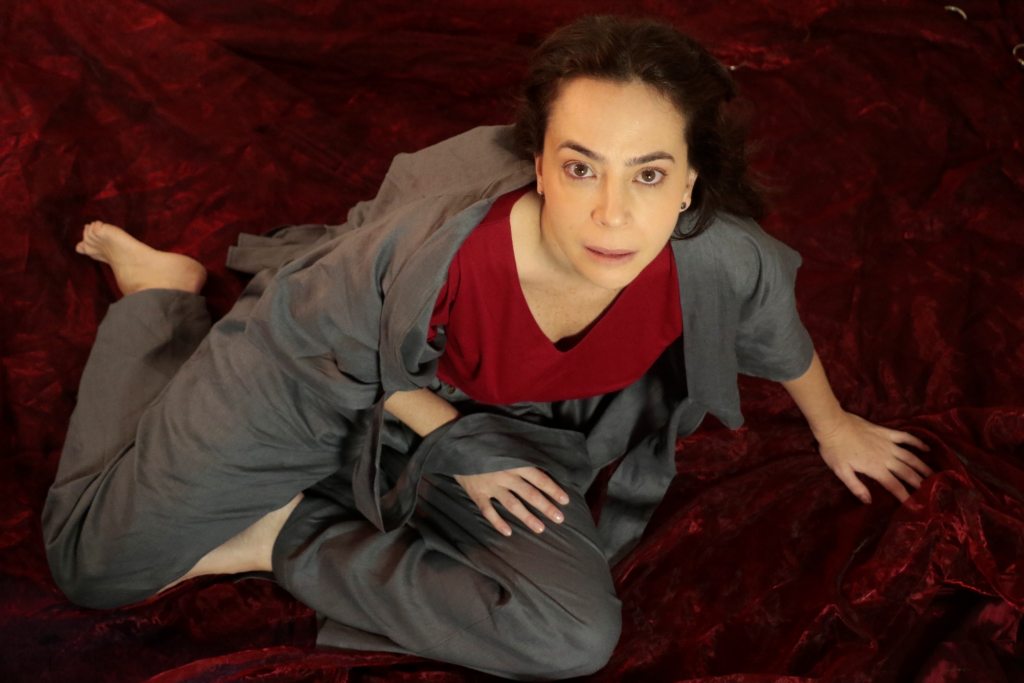
A hit with audiences and critics alike, the one-woman show “Selvagem” is back for its second season at the Laura Alvim Cultural Center in Ipanema.
With a script by Marília Passos and directed by Fernando Philbert, actress Gabriela Rosas brings to life Mariana, an obstetrician disillusioned with her marriage and the life she leads in Brazil.
On a journey of self-discovery and personal transformation, she volunteers for a Doctors Without Borders mission in South Sudan, a country ravaged by civil war, where she undergoes profound and courageous experiences.
Coffee, Lunch, Dinner
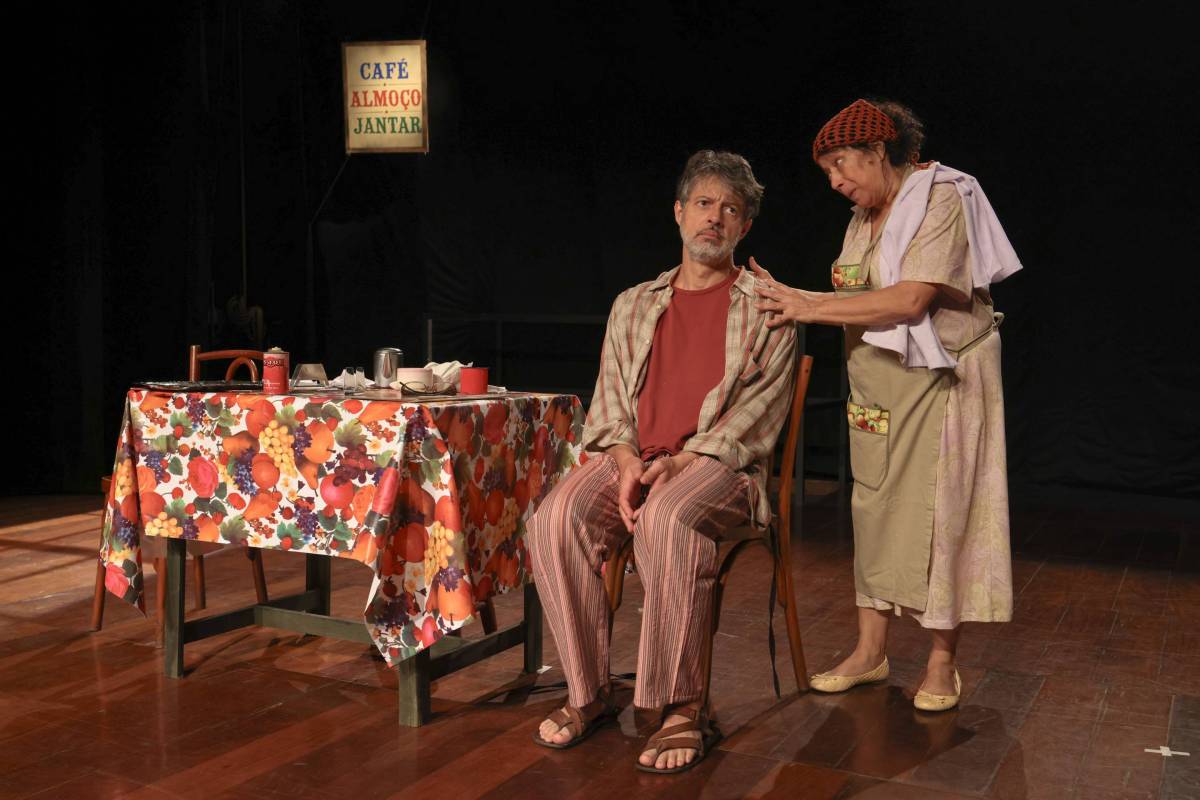
The play “Coffee, Lunch, Dinner” also returns to the stage at the Laura Alvim Cultural Center for a short run.
On stage, Fátima Patrício, Gabriel Breves, Aldo Perrotta, and Renato Albuquerque trace 31 years of Brazil’s history to examine how political, economic, and social changes affect personal relationships, emotions, and the decisions of ordinary people.
By the pool, a man sitting
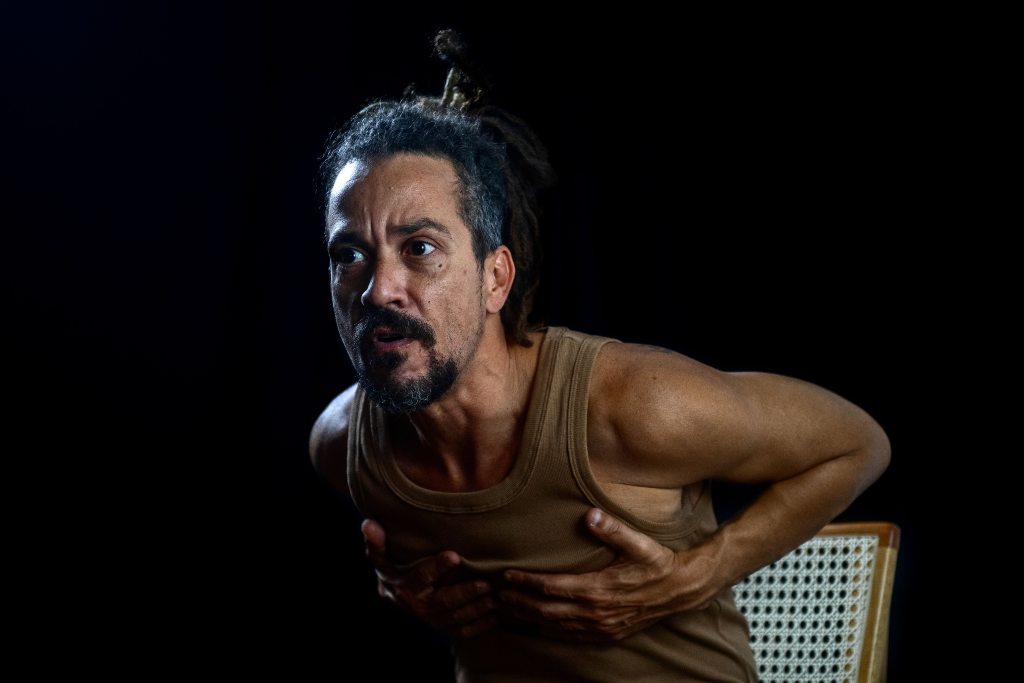
Among the premieres to add to your calendar later this month, the play “A Man Sitting by the Pool” arrives at the Ziembinski Theater, running from October 2 to 25.
The play highlights the violence imposed by masculinity, with a script and direction by Diogo Liberano, and performance and production by Gilberto Silva.
On stage, Gilberto Silva takes center stage as the protagonist. However, rather than a linear narrative, the play is structured as an experience in mindfulness, in which the connection between actor and audience sustains a journey that does not seek to move forward, but inward.
The Color Purple, the Musical
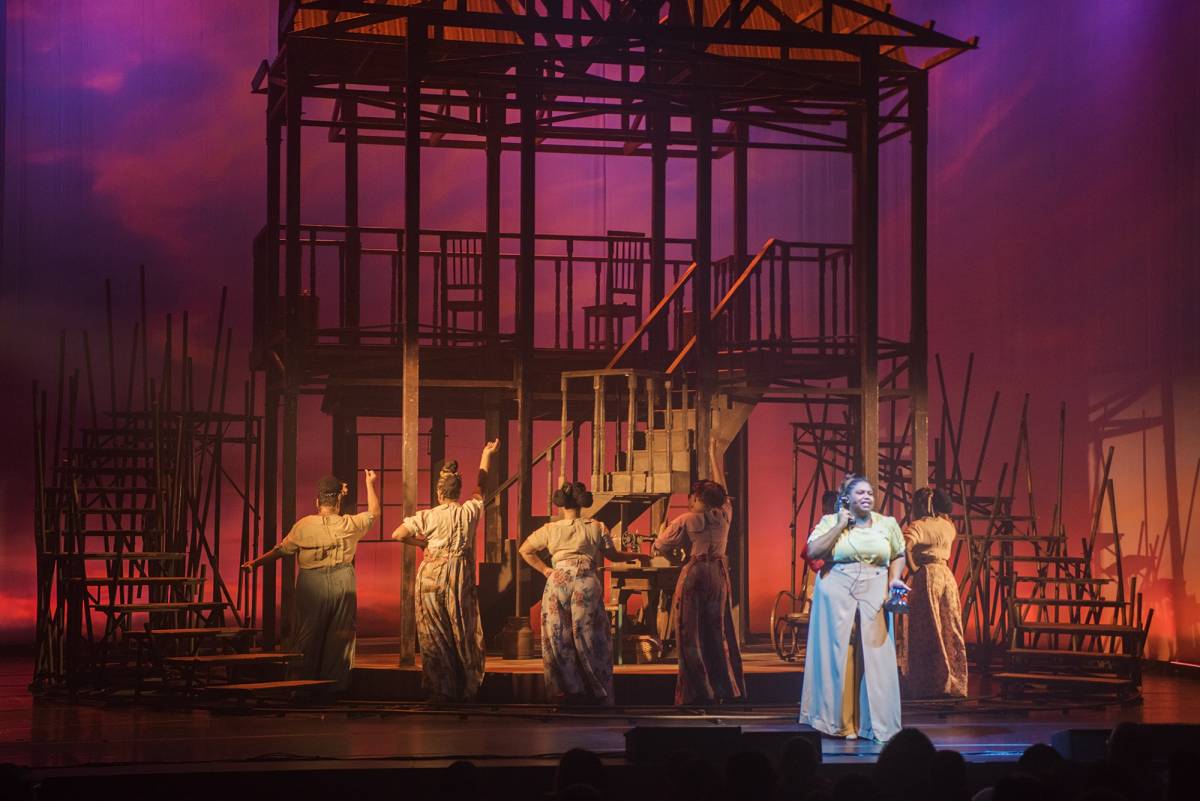
One of the most celebrated productions in Brazilian musical theater in recent years, “The Color Purple, the Musical” is returning to the city!
Based on the novel of the same name by Alice Walker, the story follows Celie (Suzana Santana), a Black woman who grows up in the southern United States during the first half of the 20th century, facing—from a very young age—a reality marked by violence, submission, and a lack of autonomy.
Duvido

Amid so many stories of overcoming adversity, quick decisions, and unshakable confidence, this is a play that goes in the opposite direction—and that’s precisely why it deserves a spot on your list of shows to see this October in Rio.
What if we don’t get over it? What if we’re unsure? What if we stumble along the way?
These are the questions that drive the play “Duvido,” which returns this month at the Cia dos Atores headquarters in Lapa.
Written and performed by Marcéli Torquato and directed by Camila Nhary, this comedic monologue was born from the author’s desire to explore doubt as a creative force and to create a space where certainties are questioned.
IL PRIMO MIRACOLO
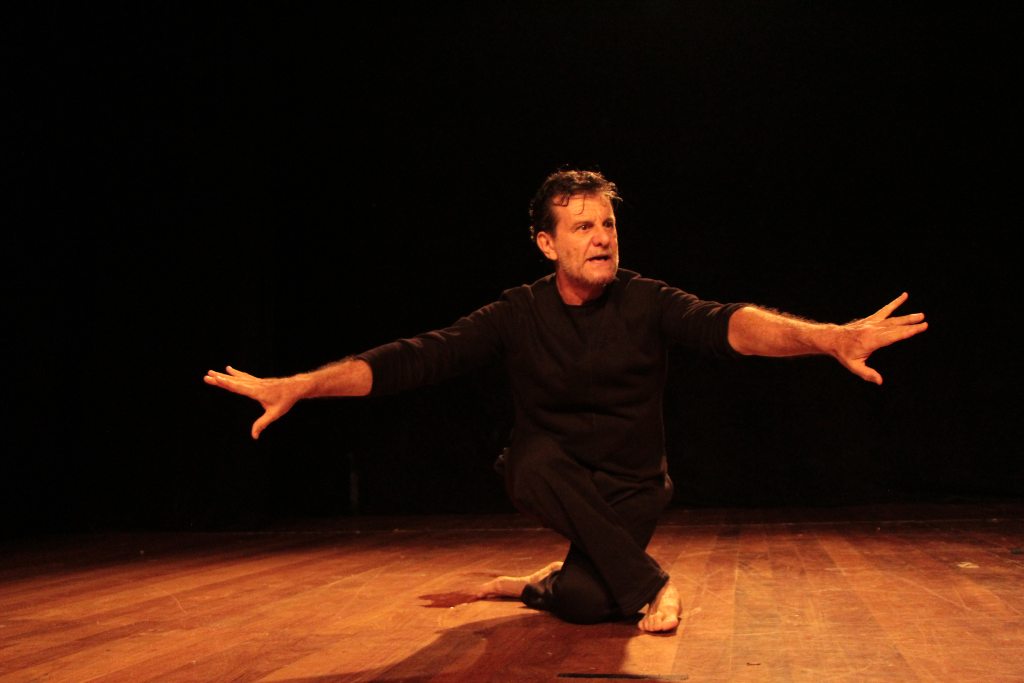
Celebrating 33 years on stage, “IL PRIMO MIRACOLO” has crossed borders and captivated audiences: it has been seen by more than 200,000 spectators in 180 cities across seven countries. Now, with this impressive track record, the show makes our list and arrives on stages in Rio de Janeiro.
Written by Dario Fo, the play is a scathing satire that blends popular humor, social criticism, and historical imagination.
On stage, actor Roberto Birindelli plays 22 characters, taking the audience on an allegorical flashback to the early years of Christ’s life, drawing from apocryphal gospels and folk tales.
SEU ZÉ — A Ritual Theater Play
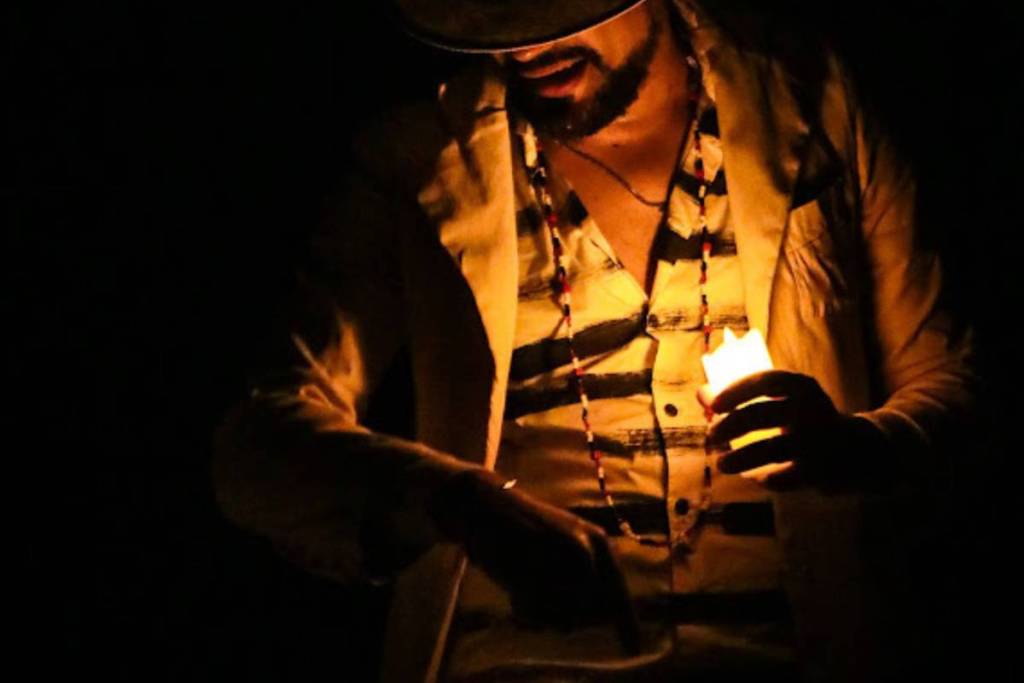
After three years touring different cities, theaters, terreiros, and festivals, “SEU ZÉ — A Ritual Theater Play,” by the artistic-political collective Axé Deles, arrives in Rio de Janeiro for a special run.
Conceived, directed, and performed by Gabriel Bittencourt, the show offers an experience that shifts the audience member from the conventional role of observer.
In an arena-style staging, the audience is placed close to the stage and invited to cross a symbolic courtyard, where elements of ritual theater blend with references to Afro-Brazilian traditions and autobiographical drama.
