Far beyond its famous beaches and the Christ the Redeemer statue, Rio de Janeiro is home to an architectural gem that looks like something straight out of the future—and one that is attracting more and more visitors. The Museum of Tomorrow, with its striking design and immersive exhibits, is located in the revitalized Porto Maravilha district, at Praça Mauá, and has become one of the city’s busiest cultural venues .
Since its opening in 2015, the museum has attracted millions of people and continues to amaze those who visit. Focusing on science, technology, and sustainability, the museum offers interactive experiences that encourage visitors to think about tomorrow—from the future of the planet to the advancements that will transform our lives.
 ©️ Museum of Tomorrow
History of the Museum of Tomorrow
Designed by renowned Spanish architect Santiago Calatrava, the Museum of Tomorrow is a work of art in itself, appearing to float above the waters of Guanabara Bay. Inspired by the forms of nature, it was designed to be sustainable.
The experience begins even before you step inside, with the sight of a building that looks like something out of a science fiction movie. This space is much more than a traditional museum—it’s an immersive experience that brings together science, technology, and sustainability to help us rethink the future of the planet.
What can you do at the Museum of Tomorrow?
The museum offers a diverse program that combines permanent and temporary exhibitions, as well as educational and cultural activities , workshops, debates, and special events that enhance the visitor experience. For information on the current program, we recommend visiting the Museum of Tomorrow’s official website.
Candlelight Concerts at the Museum of Tomorrow
If you think the Museum of Tomorrow is all about science and technology, get ready for a surprise: It transforms under the soft glow of thousands of candles to host the Candlelight Rio de Janeiro concerts, featuring tributes to music legends like Coldplay and Vivaldi. It’s the perfect opportunity for anyone looking to escape the daily grind and enjoy a magical evening.
If you’re looking for something special, make a note of this:
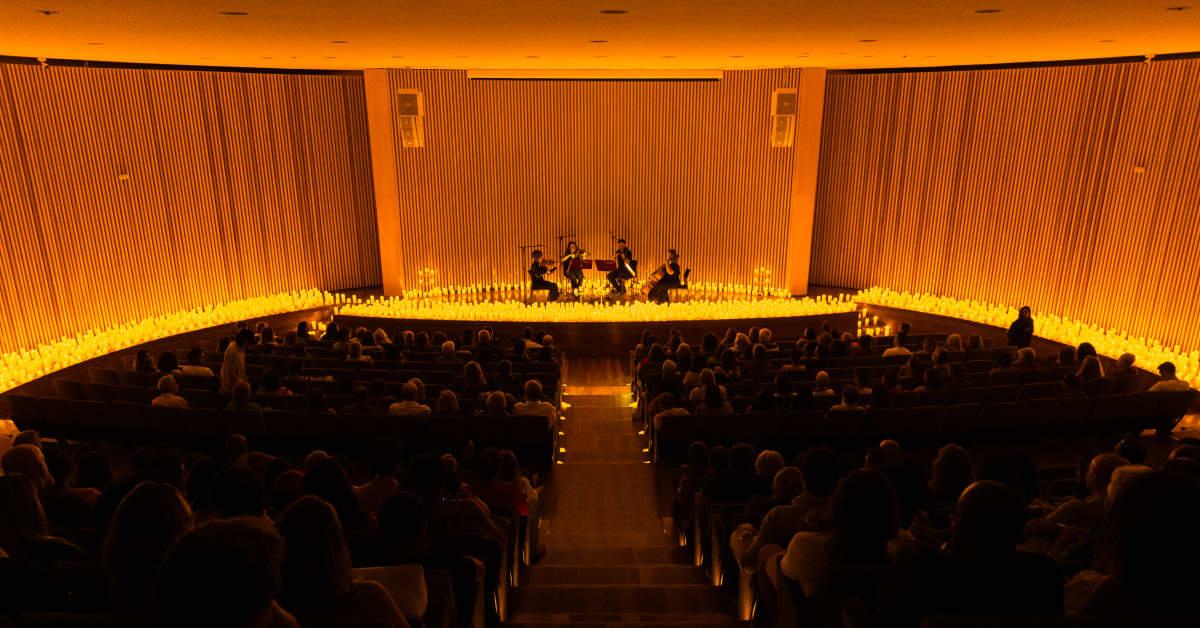 Photo: Candlelight Concert at the Museum of Tomorrow
Facts and Trivia
The main exhibition, divided into five major areas— Cosmos, Earth, Anthropocene, Tomorrows, and Us —offers a profound reflection on humanity’s impact on the planet and what we can expect for the future. You’ll be able to explore topics such as climate change, technological advances, and the relationship between humans and nature in an engaging and educational way.
The Museum of Tomorrow has received several international awards, including the Leading Culture Destination Award for “Best Museum in Emerging Fields” in 2016.
With adjustable solar panels and a rainwater harvesting system, the museum uses 9% less energy than a typical building, and its design allows for maximum use of natural light. It draws water from Guanabara Bay for its cooling system, reducing its environmental impact.
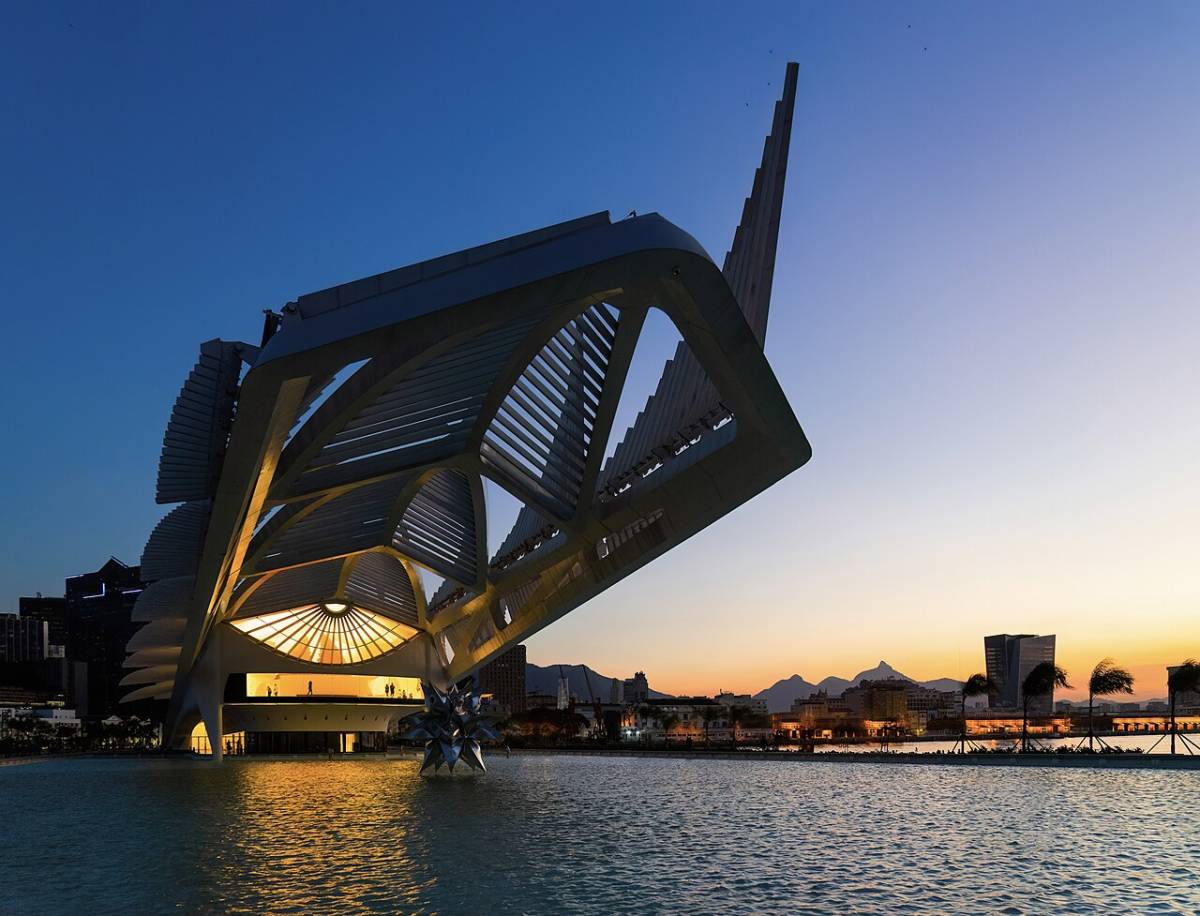 Photo: Bruno Tamm Rabello / Wikimedia Commons
What do you need to know?
📆The Museum of Tomorrow is open Thursday through Tuesday, from 10 a.m. to 6 p.m., with last admission at 5 p.m. The museum is closed on Wednesdays.
♿The museum has infrastructure to ensure accessibility, including ramps and materials in Braille.
🎫 Free admission on all national holidays, including: April 18, April 21, May 1, September 7, November 2, and November 15.
How to get there?
📍 Praça Mauá, Porto Maravilha, Rio de Janeiro
🚌 Bus lines474, 380, 396, and 307 have stops nearby
🚗 The museum does not have its own parking lot. Paid parking is available on nearby streets
🚇 The museum is well connected to the light rail system
 Editorial credit: wtondossantos / Shutterstock.com
Other cultural venues near the Museum of Tomorrow
In addition to the Museum of Tomorrow, the Rio Art Museum (MAR) is just a few minutes away and features contemporary art exhibitions. AquaRio, the largest marine aquarium in Latin America, is also nearby.
Another highlight for those who want to explore Rio’s history is Valongo Wharf, a UNESCO World Heritage Site, which is a must-see. All of these venues are easily accessible and enhance the experience in downtown Rio.