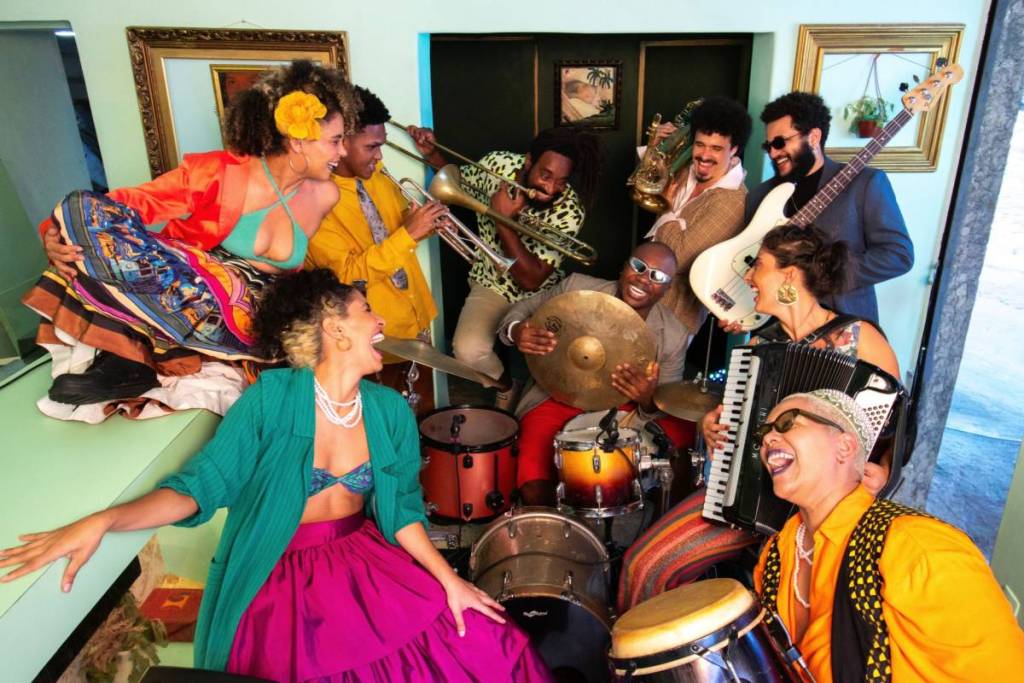

A party that brings together different generations and musical influences and celebrates the dance floor as a gathering place. That’s the concept behind the Baile da Guanabara, which holds its first edition on November 19 at the Helênico Atlético Clube.
Created by members of the G.R.B.C. Glorioso Mergulho à Fantasia, the event pays homage to the old-fashioned ballroom dances that have been part of Rio de Janeiro’s culture since the late 19th century. In addition, the party celebrates Black Awareness Day with tributes to Gilberto Gil, Moacir Santos, and Jorge Ben Jor. We’ll give you more details here!
The first edition of the Baile da Guanabara takes place on the eve of the holiday
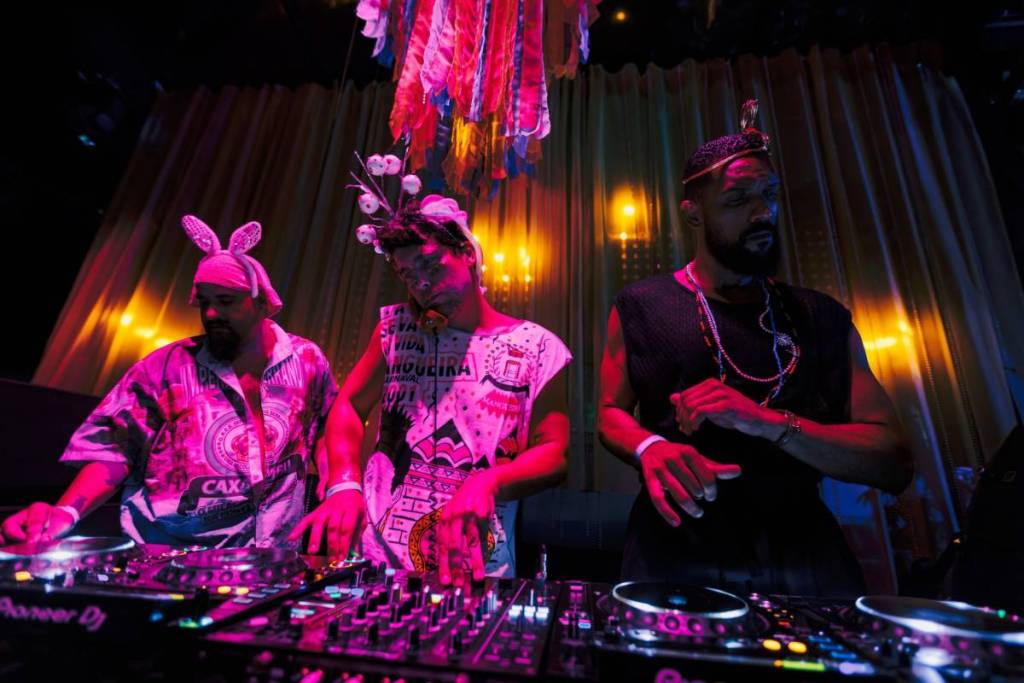
The Baile da Guanabara will hold its first edition on the eve of the Black Awareness Day holiday, on November 19.
Among the attractions is the Gloriosa Orquestra da Guanabara. Created to pay homage to the great Brazilian dance orchestras, the ensemble blends different rhythms into a contemporary Afro-Latin repertoire.
At this concert, the Gloriosa Orquestra da Guanabara will pay tribute to Gilberto Gil, Moacir Santos, and Jorge Ben Jor—three artists who expanded the horizons of Brazilian music and beyond.
The setlist also includes songs by Dominguinhos, Bad Bunny, Djavan, Martinho da Vila, Metá Metá, and Rosalía, among others.
The lineup also features the collective Juntos Com Certeza, which explores the roots of African and Brazilian music as well as grooves and melodies from different parts of the world.
DJ Bia Marques, who has been active on the Rio scene since 2013, will be spinning eclectic sets ranging from funk to Latin sounds. And DJ Tamagotchi rounds out the lineup.
The evening will also feature Cida Garcia, the Alcione cover artist from Rio das Ostras. The singer, who has shared the stage with Marrom herself, will perform her own interpretations of the artist’s songs at the ball.
The ball recalls an old tradition of Carnival groups
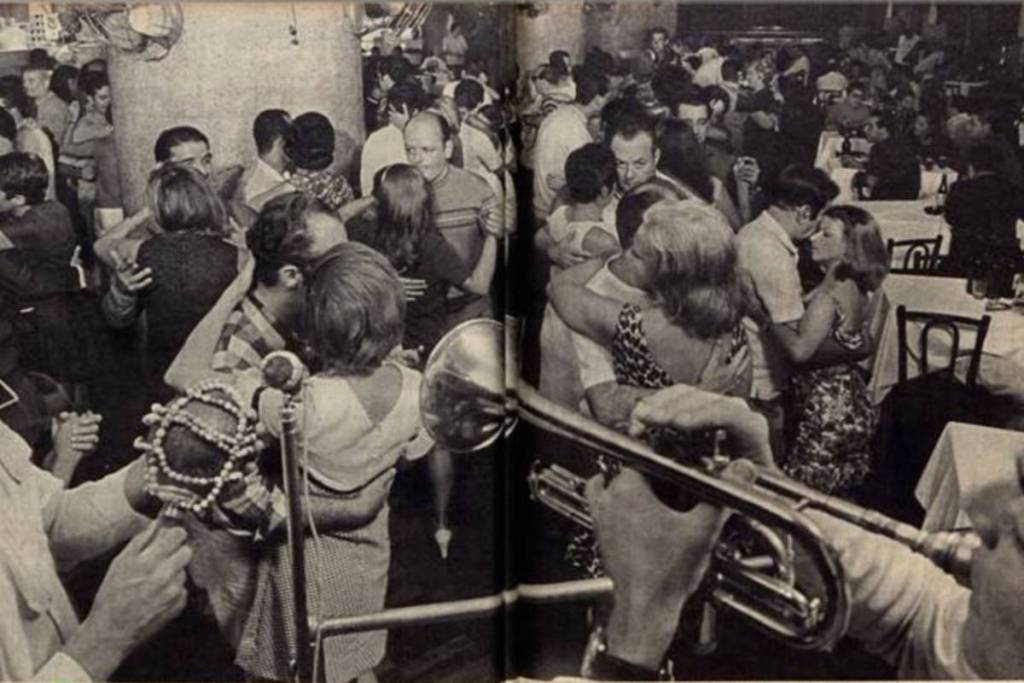
Since the late 19th century, dancing has evolved from being merely a custom or form of entertainment to becoming a true “craze” in Rio de Janeiro.
A significant part of this culture’s growth is due to associations and recreational clubs, whose names referred to their neighborhood of origin, aspirations for progress and improvement in the region, or the characteristics of their members.
Many included the terms “dance” or “carnival-style,” since leisure was one of their main activities. This is how clubs such as the Grêmio Musical Dançante Mistérios de Dona Clara—named after the old train station in the Madureira neighborhood—the Progresso do Engenho de Dentro, and the Audaciosos do Caju came into being.
Composed mainly of working-class people, these neighborhood clubs brought together, for the most part, Black people who lived near their headquarters. Beyond leisure and parties, the associations served as spaces for building identity and camaraderie among their members.
In the decades that followed, ballroom culture continued to evolve, and various new movements emerged. From ballrooms to nightclubs, from neighborhood clubs to favela dances, from forró parties to gafieiras, dance has kept pace with the changes in the city and in the people who make it come alive.
Thus, the Baile da Guanabara revives this tradition and an old practice of carnival groups. They used to organize mid-year parties, dance bingos, feijoada dinners, and other gatherings to raise funds and get their parade group out on the streets in February.
Proceeds from the event support the activities of Glorioso Mergulho à Fantasia and help fund preparations for the 2027 Carnival.
Baile da Guanabara — 1st edition
📅Nov. 19 | starting at 9
p.m. 📌Helênico Atlético Clube | Rua Itapiru, 1305 – Rio Comprido
💵Starting at R$ 30,